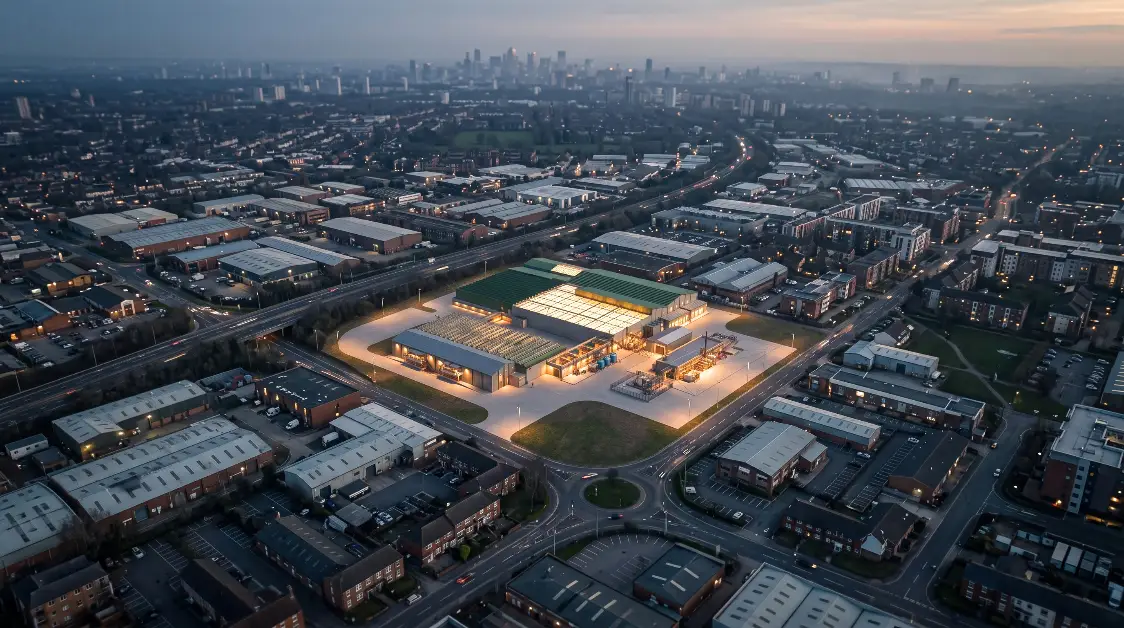

BIM Services
Concept to fabrication — coordinated Revit models, clash-free federated files and drawing sets your field crews can build from.
All services
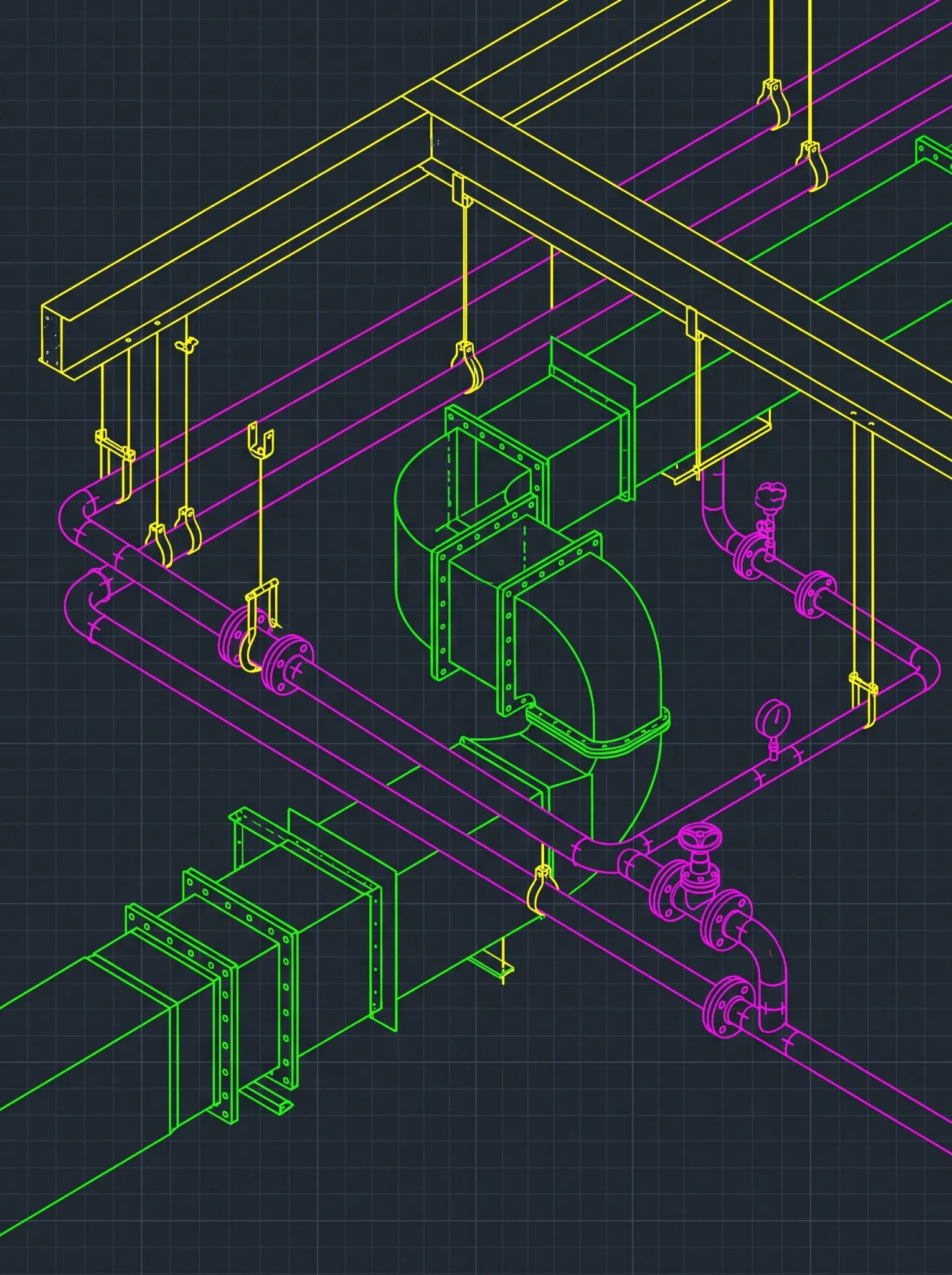
BIM Consulting
Standards, workflows and ISO 19650 processes that make BIM repeatable across every project your firm takes on.
All services
Staffing & Design Support
Trained modelers and engineers working in your time zone, to your standards — scale up in days, not hiring cycles.
BIM Staffing
Design Support
BIM insights, how-tos and industry deep dives for AEC teams.
Free downloadable guides for precon, VDC and BIM leaders.
Monthly BIM insights and project lessons in your inbox.
ROI Calculator and ISO 19650 readiness checklist.
Real projects with results in numbers, across five verticals.
Walkthroughs, model demos and project explainers.
What Is BIM Coordination? Clash Detection, LOD, and the Federated Model Explained
In-House BIM Team vs Outsourcing: What It Actually Costs a U.S. Firm
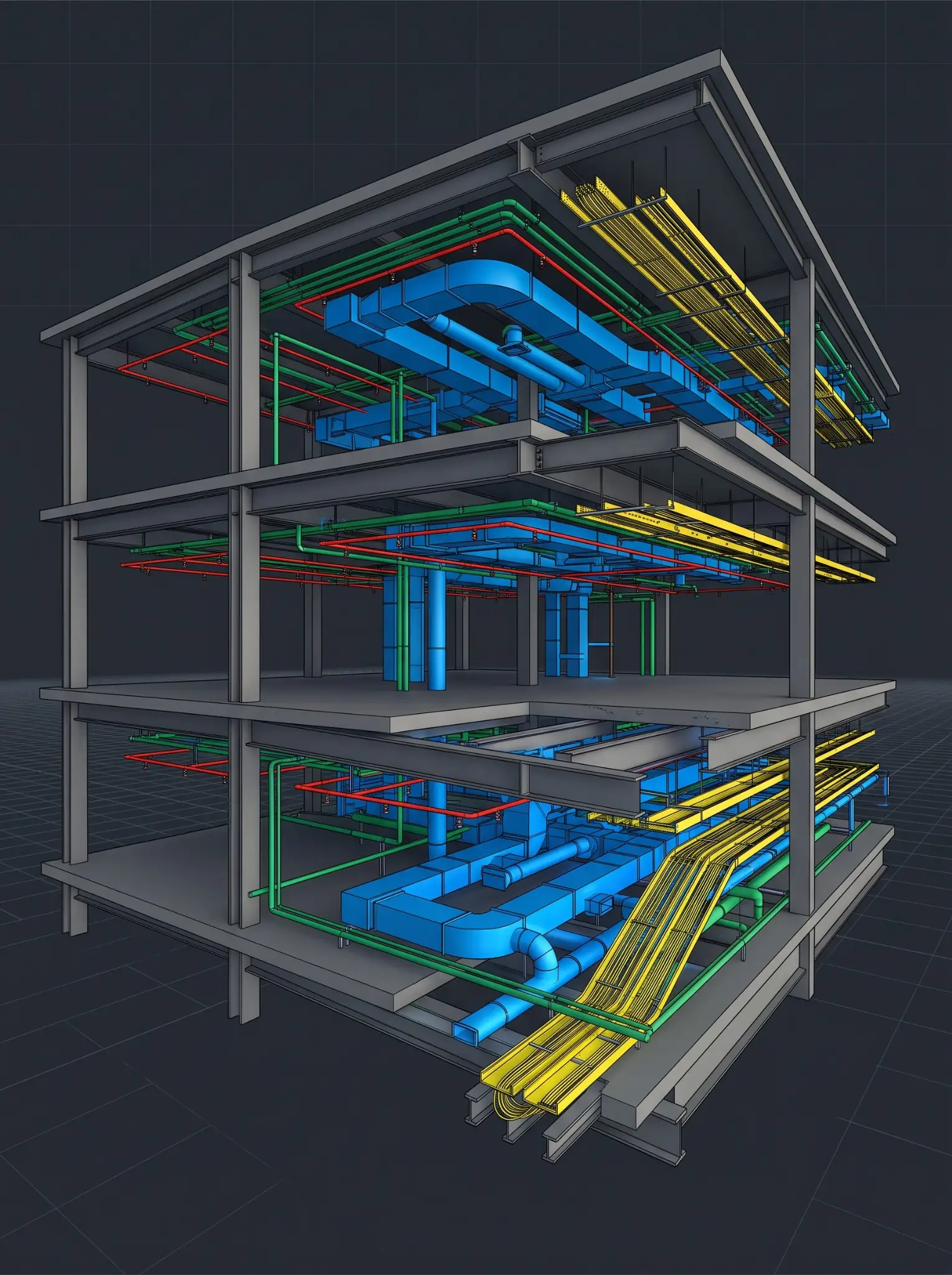
ISO 19650 Explained: What U.S. AEC Firms Need to Know Before Their Next Bid
Read more40-Story Office Tower, Dallas — 12 Trades Coordinated Clash-Free

420,000 sq ft of Class A commercial delivered at LOD 350 — full coordination, clash resolution and model-linked quantity takeoffs across every discipline.
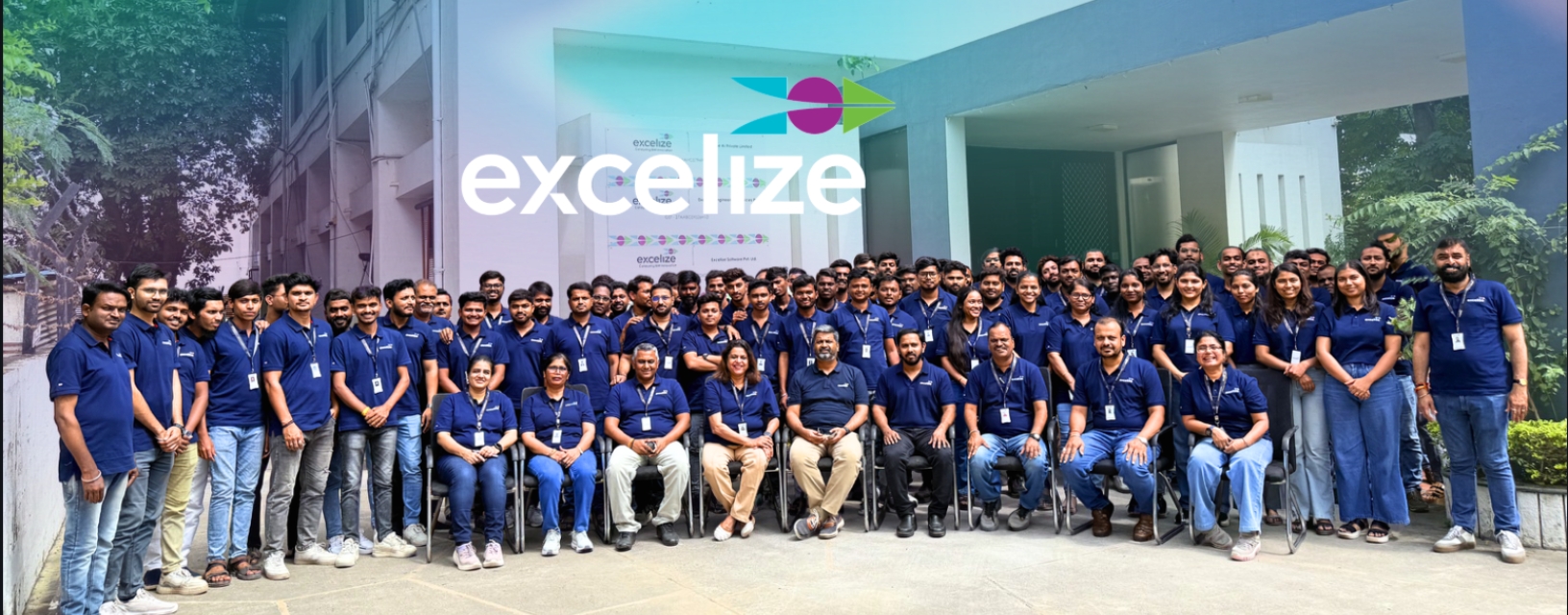
Get to know how, since 2004, Excelize grew into the BIM partner U.S. AEC firms trust — 300+ clients served and 2,500+ projects delivered end to end.
Learn MoreWho We Are
How We Work
Trust
Careers
A BIM Implementation Plan built around your firm's actual maturity level and project mix, with software and protocol training built in, so the plan gets used on real projects instead of filed away after kickoff.
A BIM Implementation Plan that isn't customized to where a firm actually stands rarely survives contact with a real project. Excelize builds the implementation plan around your firm's current BIM maturity and specific project types, then supports the software training and protocol education your team needs to actually run it, whether that's for one project or several running in parallel.
BIM Implementation is the work of customizing and executing a BIM Implementation Plan for a firm’s actual project mix and current maturity level, rather than deploying a generic template regardless of context. It sits closely alongside Strategy Consulting, which sets the roadmap and standards a firm should follow, and includes the software training and BIM protocol education a team needs to work inside that plan day to day. Implementation can run against a single project, used to prove out the approach before wider rollout, or in parallel across several, depending on where your firm is starting from.
A firm adopts a BIM Implementation Plan that wasn't built around its actual maturity level, treating a firm new to BIM the same as one with years of Revit experience, and the plan doesn't match how the team actually works.
Software training happens once, generically, disconnected from the specific implementation plan and standards the firm is supposed to be following, so staff learn the tool without learning the process it's meant to support.
A plan gets written for one project and never adapted for the next, so every new job effectively restarts the implementation conversation instead of building on what already worked.
That gap is expensive in a specific way: the implementation plan itself is often sound, but if it isn't matched to the firm's real starting point and reinforced with training, it stays a document instead of becoming how the firm works.
A plan built around your firm's current BIM maturity level and the specific project types you're bidding on, rather than a generic template applied regardless of starting point.
Implementation work is tied directly to your project's BEP, so the standards, LOD targets, and processes defined in planning actually carry through into how the project gets executed.
Instruction on the specific software your team uses, scoped to what the implementation plan requires them to do with it, not a generic vendor course unrelated to your actual standards.
Training on BIM-oriented communication methods, file sharing, and the protocols your plan depends on, so staff understand not just the software but the process it's supporting.
Implementation scoped to prove out the plan on one project first, or run across several projects in parallel, depending on where your firm's rollout should reasonably start.
A structured review of standards, processes, and techniques as the implementation runs, identifying errors early enough in the process to correct them before they become the standard practice.
We assess your firm's current BIM maturity level and the specific project types the implementation plan needs to support, so the plan starts from where you actually are.
We build the customized plan, tied to your project's BEP, covering standards, processes, and the specific techniques your team will use to execute it.
We deliver training on the software and protocols the plan requires, scoped to your team's current proficiency rather than a one-size-fits-all course.
The plan runs against a single project first, where that's the right starting point, or across multiple projects in parallel, where your firm is ready for that.
We review how the implementation is holding up against real project conditions, flagging errors and gaps early enough in the process to correct course.
A firm new to BIM generally needs the plan to start narrower, with one project, close support, before expanding further. A firm with an established BIM practice but inconsistent standards across offices usually needs the plan to focus less on software training and more on aligning execution to one common process. A firm managing several active projects at once needs the parallel rollout option scoped carefully, since running an implementation across multiple jobs simultaneously without enough support tends to produce the same inconsistency the plan was meant to fix.
Consultants work out of New Jersey and California, on U.S. hours, and scope the plan to your team's actual starting point rather than a fixed rollout size.
Connecting your BIM, estimation, and procurement systems once adoption sticks.
Explore
Whether you're new to BIM or refining an existing practice, that starting point determines how the plan gets scoped. Send us where things stand, and a sample comes back in 2 to 3 days.