BIM Services
Concept to fabrication — coordinated Revit models, clash-free federated files and drawing sets your field crews can build from.
All services
BIM Consulting
Standards, workflows and ISO 19650 processes that make BIM repeatable across every project your firm takes on.
All services
Staffing & Design Support
Trained modelers and engineers working in your time zone, to your standards — scale up in days, not hiring cycles.
BIM Staffing
Design Support
BIM insights, how-tos and industry deep dives for AEC teams.
Free downloadable guides for precon, VDC and BIM leaders.
Monthly BIM insights and project lessons in your inbox.
ROI Calculator and ISO 19650 readiness checklist.
Real projects with results in numbers, across five verticals.
Walkthroughs, model demos and project explainers.
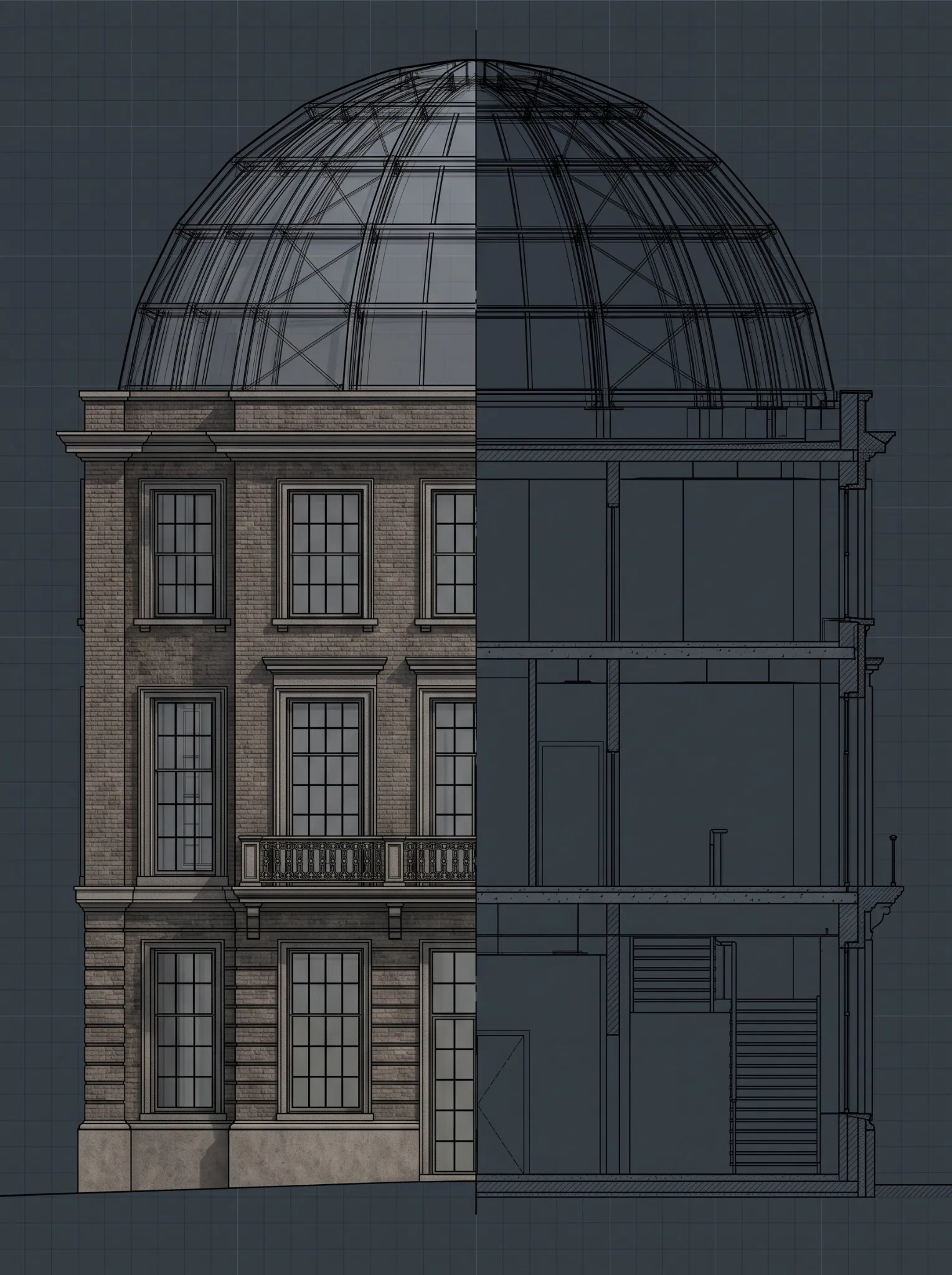
What Is BIM Coordination? Clash Detection, LOD, and the Federated Model Explained
In-House BIM Team vs Outsourcing: What It Actually Costs a U.S. Firm
ISO 19650 Explained: What U.S. AEC Firms Need to Know Before Their Next Bid
Read more40-Story Office Tower, Dallas — 12 Trades Coordinated Clash-Free

420,000 sq ft of Class A commercial delivered at LOD 350 — full coordination, clash resolution and model-linked quantity takeoffs across every discipline.
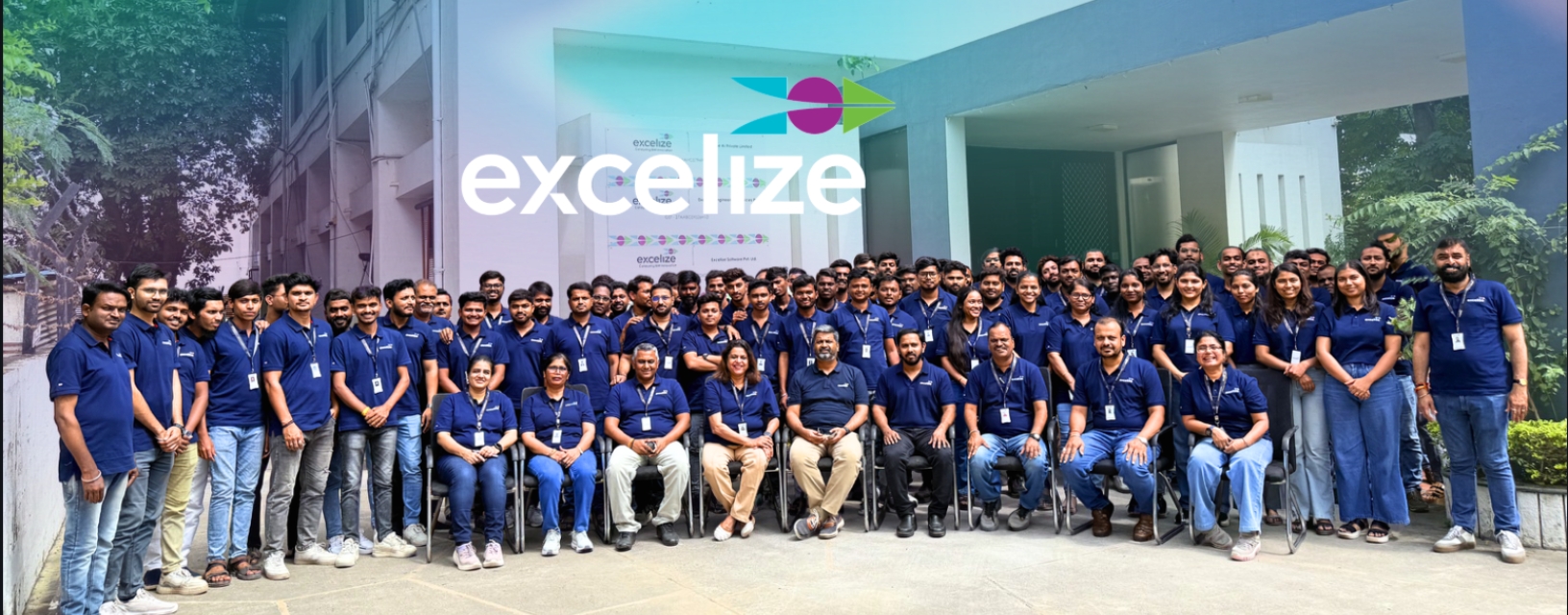
Get to know how, since 2004, Excelize grew into the BIM partner U.S. AEC firms trust — 300+ clients served and 2,500+ projects delivered end to end.
Learn MoreWho We Are
How We Work
Trust
Careers
A model is only as good as the process that built it. Here's every step that keeps a coordination error from reaching your job site.
A coordination process is only worth trusting if it holds up the same way on every project, not just the ones that go smoothly. From kickoff through handover, Excelize runs the same disciplined process on every engagement, for GCs and MEPF firms coordinating work from Texas to New Jersey to California, whether the project is a hospital MEPF model or a datacenter fabrication package.
A BIM Execution Plan and a Common Data Environment, set before the first model file is touched.
Sets project standards, LOD targets by stage, naming conventions, and responsibilities across the team.
Addresses the Employer's Information Requirements when a project calls for them, so what gets delivered is scoped against what the client actually needs to receive, not a generic default.
Models, drawings, and data live in one environment, set up before production begins.
File access and version control are established before the first deliverable, not worked out midstream.
Both are agreed with the client before the first model file is touched.
Federated models are built to the LOD required for the project stage — LOD 200 through Design Development in most cases, LOD 350 for construction document extraction, and LOD 400 where fabrication-ready output is needed. Software choice is matched to the deliverable.
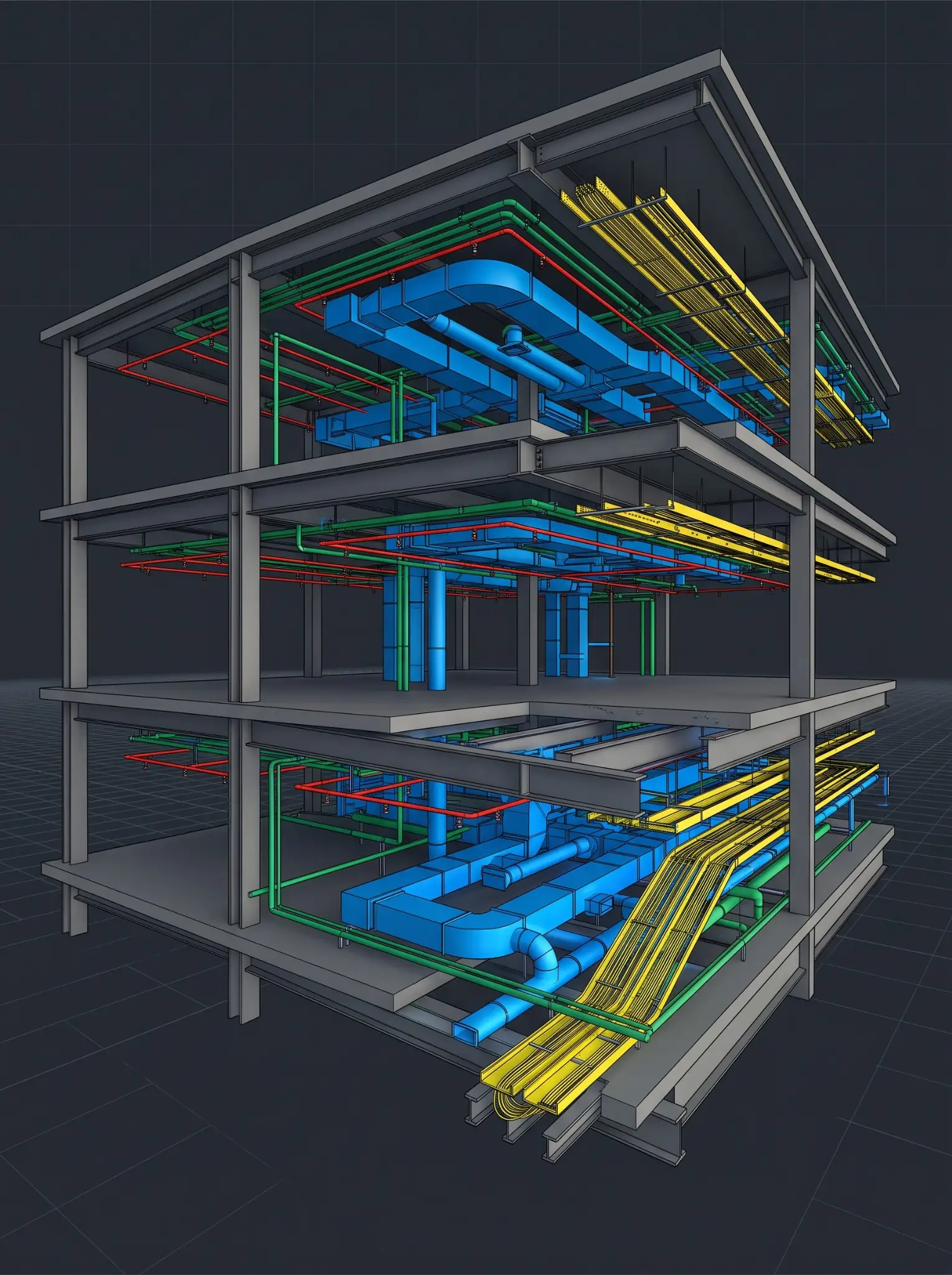
Two or more systems occupy the same physical space in the model — the clearest and most direct conflict to catch.
Clearance violations, maintenance access, or code-required standoff distances that don't physically overlap but still block the space from functioning as designed.
The coordination is correct in the model, but the construction sequence creates a conflict in time rather than space.
All three get resolved before a coordination set moves to the client, not left for the field to catch.
Discipline-lead sign-off happens at each checkpoint. The person approving the coordination isn't the person who built the geometry.
Checkpoint frequency scales to project complexity. A commercial project runs one federated review per phase. A healthcare or datacenter project adds checkpoints specific to that vertical's risk — clinical planning review, cooling assumption review, and template sign-off gates for repeatable-unit work.
Nothing reaches the client without passing its checkpoint.
Three things stay visible across every engagement, so progress is never a surprise at milestone delivery.
Agreed at kickoff as part of the BEP, so progress is visible on a predictable cadence rather than only at milestone delivery.
For anything that needs a decision outside the standing review, so a blocking issue doesn't sit until the next scheduled call.
Coordination status reported into the tools your team already uses.
Excelize has run this process across more than 2,500 BIM projects since 2004 — 22-plus years — for U.S. general contractors, architecture firms, MEPF engineering firms, and trade subcontractors and fabricators across Texas, Florida, New York, New Jersey, California, and Pennsylvania.
Reflecting what was actually built, not just what was originally coordinated.
Defined in the BEP at kickoff, so closeout deliverables match what was agreed.
Where the project calls for it — most commonly on datacenter and healthcare engagements — for facility management use after occupancy.
For questions on engagement models or getting started with a sample project, see our Engagement Models page →
Still have questions? Book a Discovery Session
Whether the project is in Texas, Florida, New York, New Jersey, California, or Pennsylvania, the steps stay the same. What changes is depth, by vertical and by project complexity.