Excelize
Company
Story
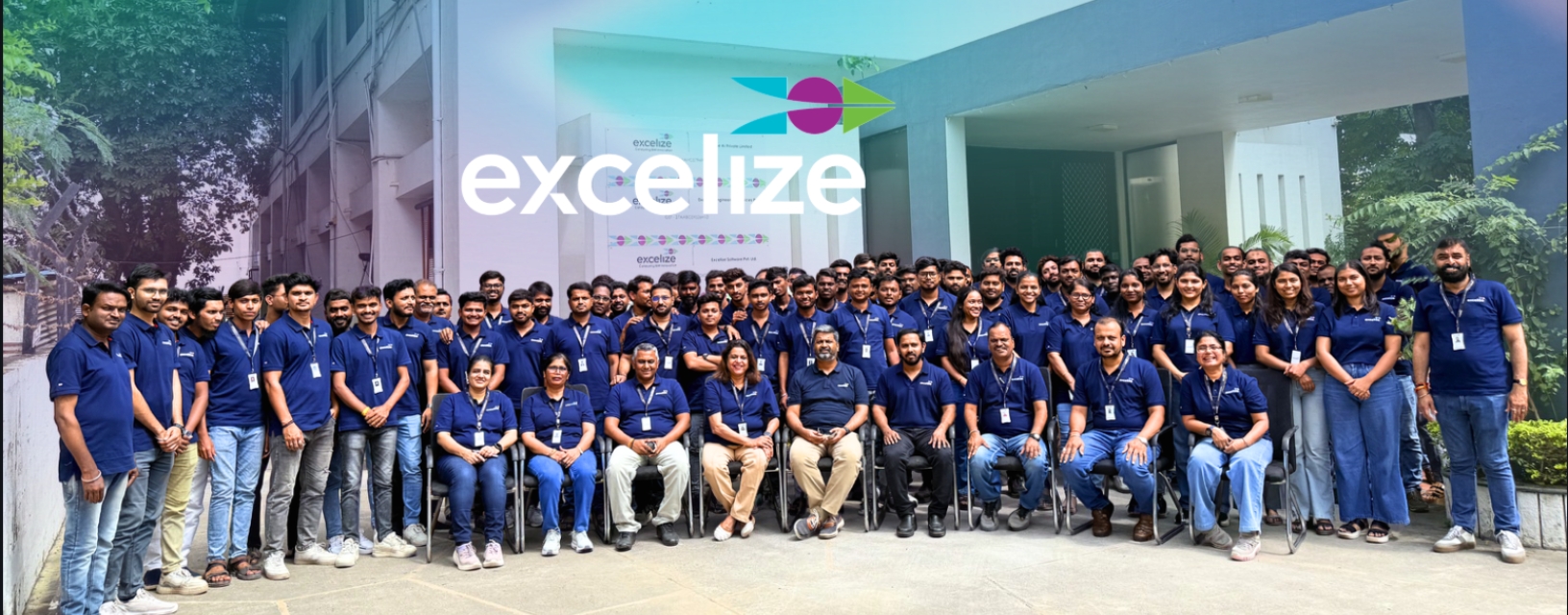
Excelize team

Get to know how, since 2004, Excelize grew into the BIM partner U.S. AEC firms trust — 300+ clients served and 2,500+ projects delivered end to end.

Learn More
Book a Consultation

BIM Adoption Services for U.S. AEC Firms

Structured support for moving from CAD, or from BIM used in name only, to a level of BIM your whole team actually works in, staged by where your firm stands today, not a single firmwide leap.

BIM adoption rarely fails because a firm picked the wrong software. It fails because the jump from where a team actually works, still largely 2D, or 3D used mainly for visuals, to full collaborative BIM gets treated as one leap instead of a series of levels. Excelize has been guiding construction companies and specialty firms through that migration from CAD since 2004, staging the move so each level is actually usable before the next one starts.

2004Building BIM since
ISO 19650Aligned
NJ & CAOffices
2,500+Projects
Explore our adoption service
Staged by level, not a single leap What we deliver
What It Is

What is BIM Adoption?

BIM Adoption is the structured process of moving a firm from its current level of BIM use to the next one, and eventually toward full collaborative BIM. It starts wherever a firm actually is: still working primarily in 2D drafting with 3D used for visuals and approval documentation, or already modeling in 3D but sharing data through disconnected files rather than a Common Data Environment. Adoption is distinct from Strategy Consulting, which sets the long-term roadmap and standards, and from Implementation, which executes a plan on real projects. Adoption is the layer in between: helping a firm actually progress from one level of BIM maturity to the next, with the training and process support that make each level stick before the next one is introduced.

Where BIM adoption stalls

01

The BIM firm that still isn’t

A firm buys BIM software and calls itself a BIM firm, while most day-to-day work still happens the old way, in 2D, with 3D produced late and mainly for presentation rather than coordination.

02

3D without real collaboration

A team reaches a working level of 3D modeling but never moves to genuine electronic data sharing through a Common Data Environment, so the collaboration benefits BIM is supposed to deliver never materialize.

03

One leap instead of a staged path

Adoption gets treated as a single firmwide switch instead of a staged migration, so the firm either stalls at an early level indefinitely or pushes for a level of collaborative BIM the team isn't actually ready to sustain.

That gap costs more than a slow rollout. Countries that have mandated BIM on public works have shown what full adoption can deliver; firms stuck partway through the migration get the cost of the software without the return that the later levels are supposed to provide.

What We Deliver

What our BIM adoption service includes

Current Level Assessment

An honest read on where your firm actually sits today, working primarily in 2D, using 3D mainly for visualization, or already collaborating through a shared data environment, so the next step is realistic, not aspirational.

Staged Adoption Path

A defined sequence for moving from your current level to the next, rather than a single jump to full collaborative BIM regardless of where the team is starting from.

Common Data Environment Setup Support

Guidance on establishing electronic data sharing through a CDE, the step that separates firms using 3D for visuals from firms actually collaborating through BIM.

Software And Protocol Training

Training is scoped to the specific level your firm is moving toward, so staff are learning what the next stage of adoption actually requires, not a generic BIM course.

Technology Alignment

Syncing the tools and technology your firm adopts with where the industry and your specific project types are heading, so adoption decisions hold up as standards evolve.

Gap Review At Each Stage

A check-in at each level of the adoption path, confirming the team is actually working at that level before moving to the next, rather than assuming progress based on a rollout calendar alone.

Our Process

Our BIM adoption process

01

Current Level Assessment

We assess where your firm actually stands today, current tools, current workflows, and how much of daily work happens in 2D versus true collaborative BIM.

02

Staged Path Definition

We define the sequence of levels your firm needs to move through and what needs to be true at each stage before advancing to the next.

03

CDE And Process Setup

Where the next stage requires it, we support setting up the Common Data Environment and the processes for electronic data sharing that the stage depends on.

04

Training For The Target Level

We deliver training scoped specifically to what the next level of adoption requires, not a generic software course disconnected from where your firm is headed.

05

Gap Review And Next Stage

We check that the team is genuinely working at the new level before recommending the next stage, so adoption holds up rather than reverting once support ends.

Who This Is For

Adoption staged to where your firm actually works today

A firm still largely in 2D typically needs the first stage focused on getting 3D modeling genuinely into daily use, not just producing visuals for client presentations. A firm already modeling in 3D but sharing files manually usually needs the next stage centered on establishing a real Common Data Environment, since that's what actually unlocks collaboration. A firm with CDE in place but inconsistent use across offices or project teams often needs the adoption work focused less on new technology and more on getting existing capability used consistently.

Consultants work out of New Jersey and California, on U.S. hours, and scope the staged path to your firm's actual starting level rather than a fixed rollout template.

Related Resources

FAQs

BIM adoption FAQs

Still have questions? Talk to a BIM Lead
Strategy Consulting sets the long-term roadmap and standards. Adoption is the staged process of actually moving your team through the levels of BIM maturity that the roadmap depends on. Many firms need both, often starting with Strategy Consulting to define the destination, then Adoption to get there.
Implementation executes a specific plan on real projects. Adoption is broader: it's the progression from one level of BIM use to the next across the firm, within which Implementation work often happens.
That's a common and legitimate starting point. The first stage of adoption typically focuses on getting 3D modeling into genuine daily use, not skipping ahead to full collaborative BIM before the team is ready.
This depends heavily on your firm's starting level and how many stages the path requires. A firm moving from one level to the next typically sees that stage settle within a few months; full migration from largely 2D work to collaborative BIM is a longer process, staged deliberately rather than rushed.
Not necessarily. Adoption often has more to do with process and how existing tools get used, particularly around data sharing through a CDE, than it does with buying new software.
That's exactly what the gap review at each stage is designed to catch. If a team isn't genuinely working at the level it's supposed to have reached, we address that before pushing toward the next stage rather than assuming the calendar means progress happened.
Yes, and it's common. The staged path can run at different speeds across offices, though getting them aligned eventually is usually part of the longer-term goal.
Related Services

Related consulting services

BIM Strategy Consulting

The long-term roadmap and standards that adoption is staged toward.

Explore

BIM Implementation

The audit: an honest, benchmarked read on where your firm stands today.

Explore

BIM Capability Assessment

The plan executed on real projects, with the training to run it.

Explore

BIM Digital Integration

Connecting your BIM, estimation, and procurement systems once adoption sticks.

Explore

Tell us where your team actually works today

Whether that's still mostly 2D, 3D without real data sharing, or somewhere further along, that starting point defines the staged path. Send us where things stand, and a sample comes back in 2 to 3 days.

  • No contract
  • No obligation
  • Your process and your IP stay yours