Excelize
Company
Story
Excelize team

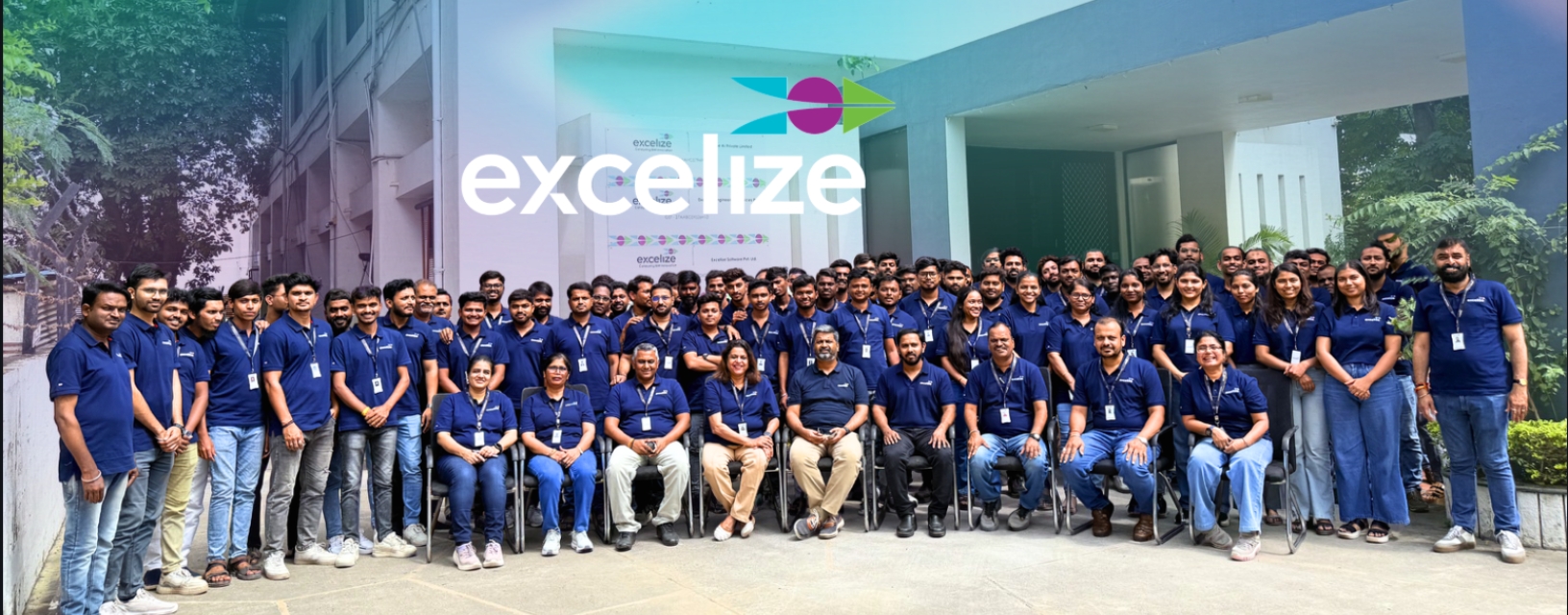
Get to know how, since 2004, Excelize grew into the BIM partner U.S. AEC firms trust — 300+ clients served and 2,500+ projects delivered end to end.

Learn More
Book a Consultation

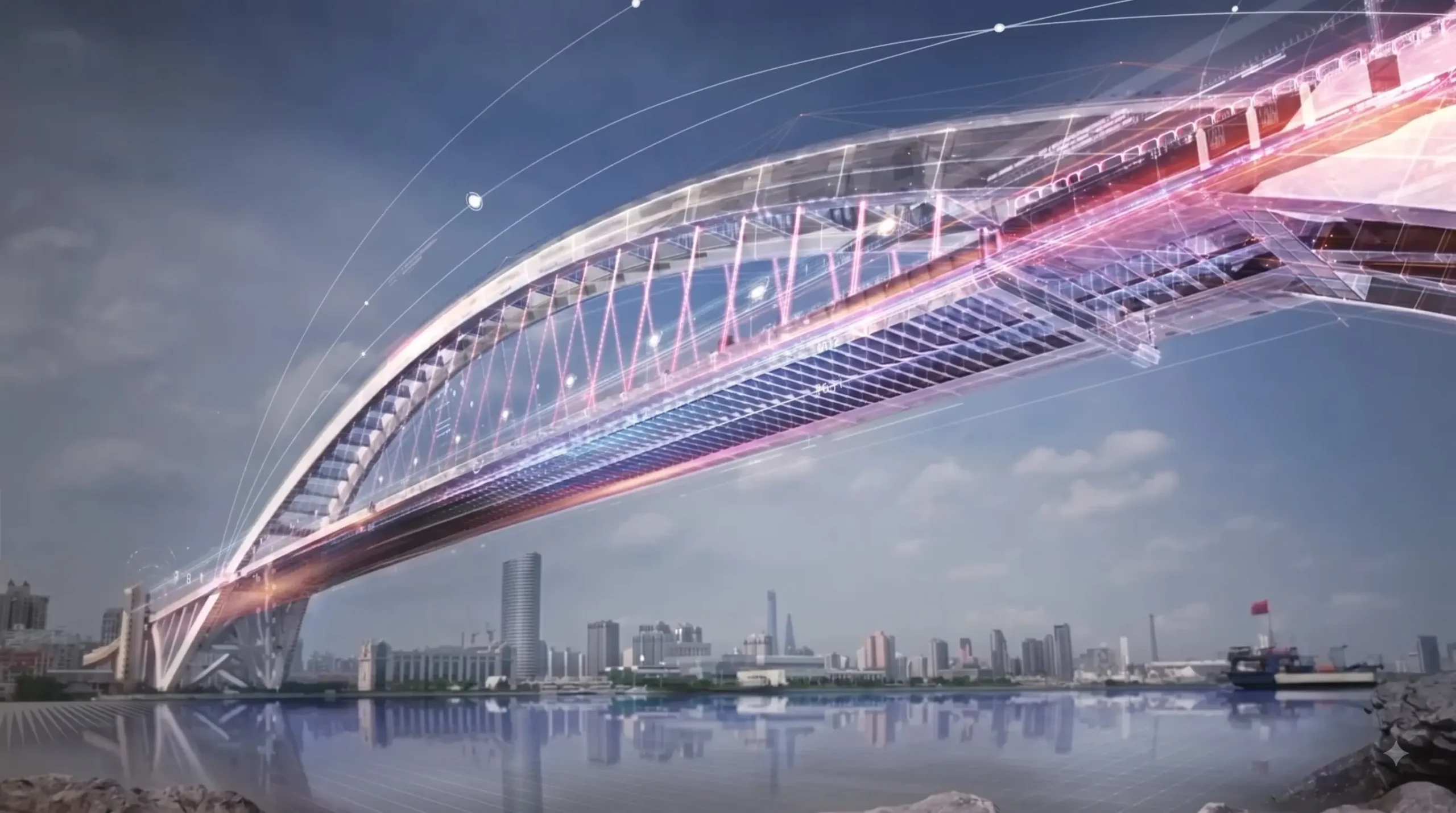
Infrastructure BIM Services: Utility, Treatment, and Transit Facility Coordination for U.S. Infrastructure Projects

Existing conditions verified before design starts, live utility tie-ins sequenced before service interruption is a risk, documentation built for multi-agency review in Pennsylvania and beyond.

Infrastructure facilities, pump stations, treatment plants, substations, transit stations, carry a coordination risk that ground-up buildings don’t. Most sit on a site with decades of undocumented modification. Most have to keep running while the retrofit happens around them. Excelize scopes infrastructure facility BIM around both constraints.

2004Building BIM since
ISO 19650Aligned
NJ & CAOffices
2,500+Projects
Explore infrastructure BIM
Existing conditions first, coordination second What we deliver

Why undocumented existing conditions break infrastructure retrofits

01

A gating requirement before consideration

Infrastructure owners, and the GCs and MEPF firms bidding their retrofit work, increasingly require existing-conditions verification as a gating requirement before a coordination partner is considered, since original drawings for a decades-old treatment plant or substation rarely match what's actually built. A firm without a Scan to BIM-based existing-conditions process isn't offering a cheaper option. It's proposing to coordinate against drawings nobody trusts.

02

A tie-in coordinated wrong doesn't fail quietly

That bar exists because a tie-in coordinated against inaccurate existing conditions doesn't fail quietly. A live utility connection cut or rerouted based on a wrong as-built becomes a service interruption, not an RFI.

03

Existing conditions first, coordination second

Excelize scopes infrastructure engagements around verified existing conditions first, coordination second, not the reverse.

A tie-in or clash caught in the federated model at Design Development is a coordination adjustment. The same conflict, discovered after a live utility connection is already cut, is a service interruption, not a change order, on a facility a community, a hospital, or a transit line may depend on continuously.

What We Deliver

What gets coordinated in an infrastructure facility BIM model

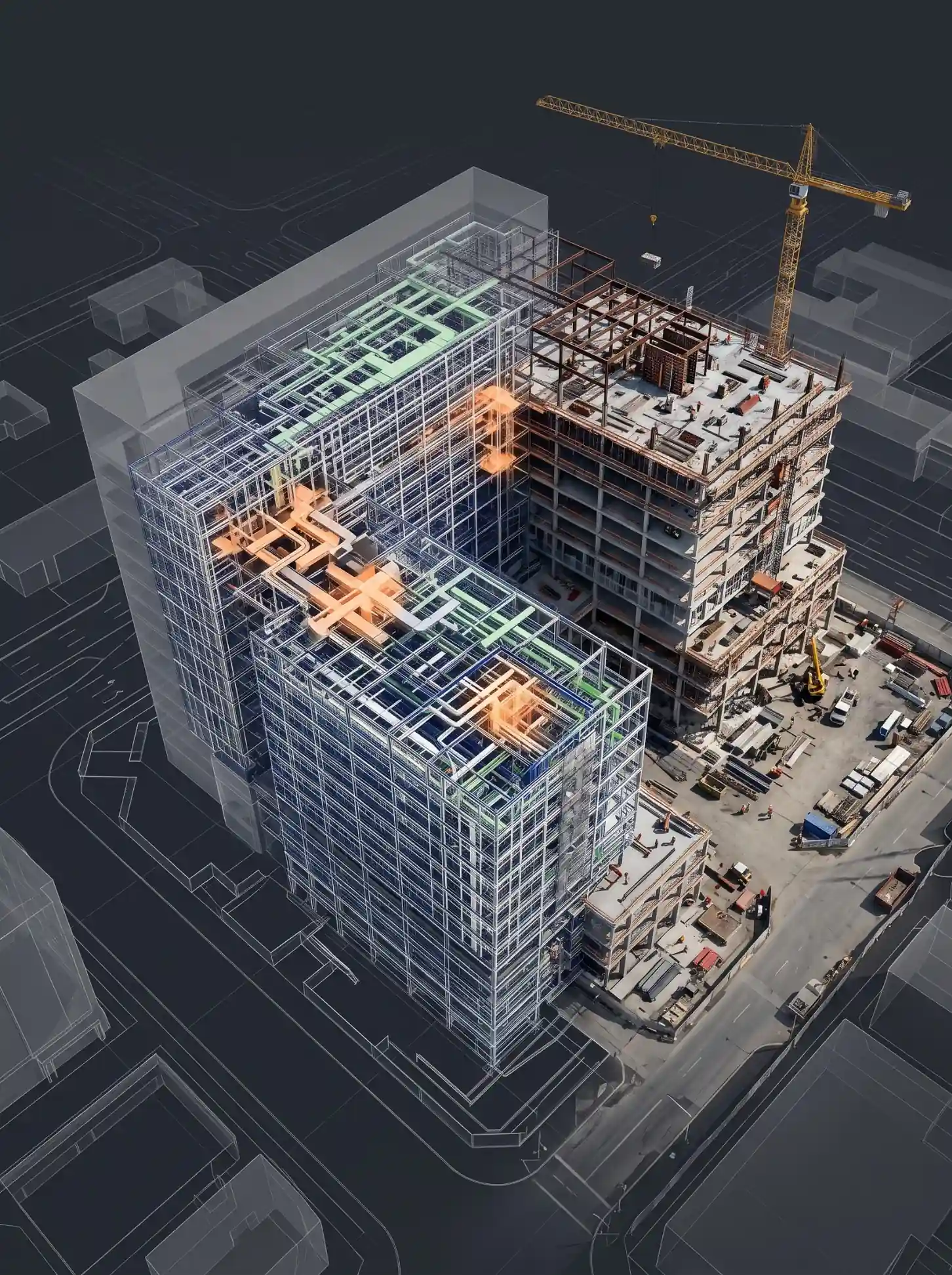
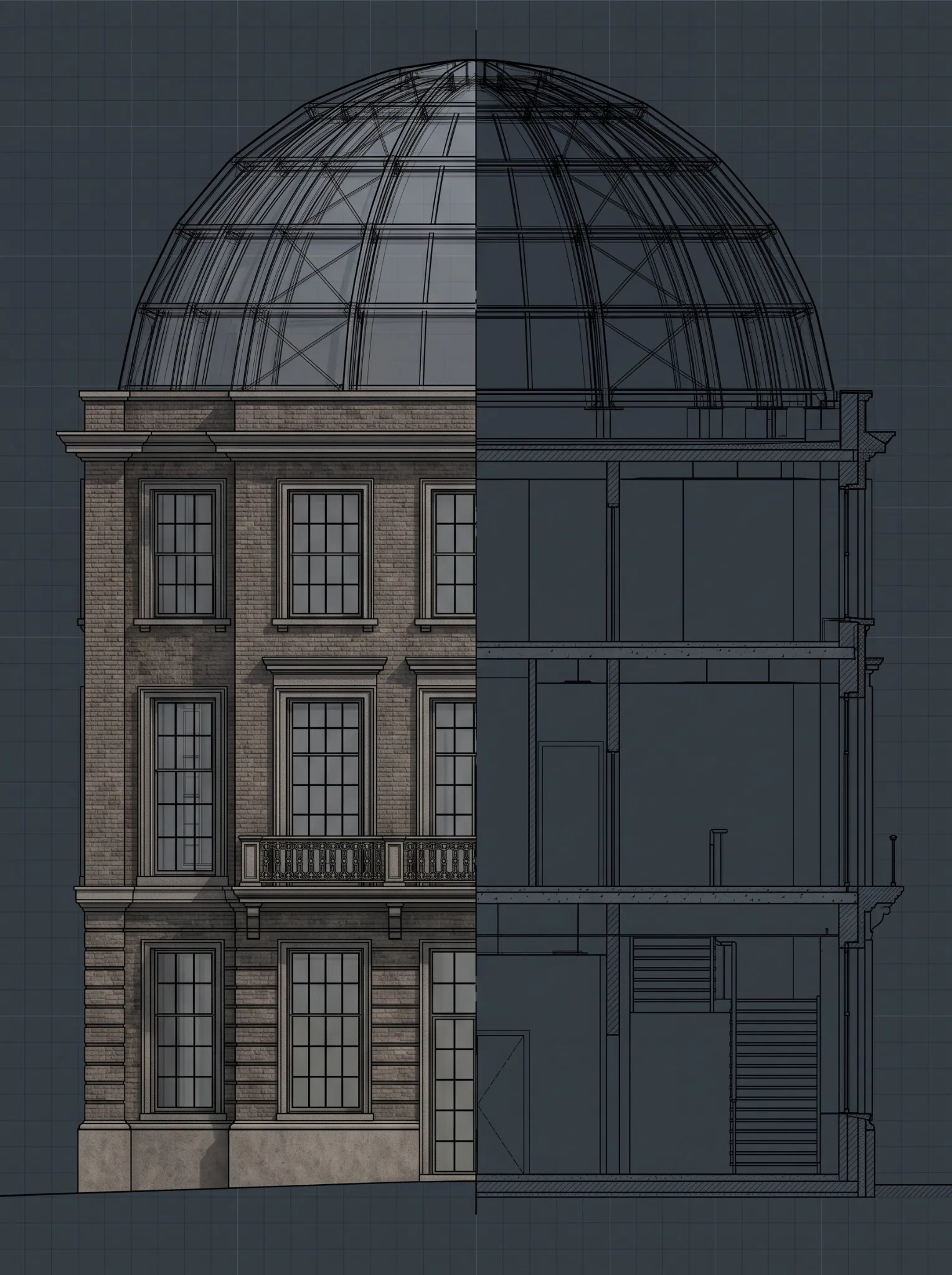
Existing-Conditions Capture via Scan to BIM

Establishing an accurate as-built federated model before retrofit coordination design begins.

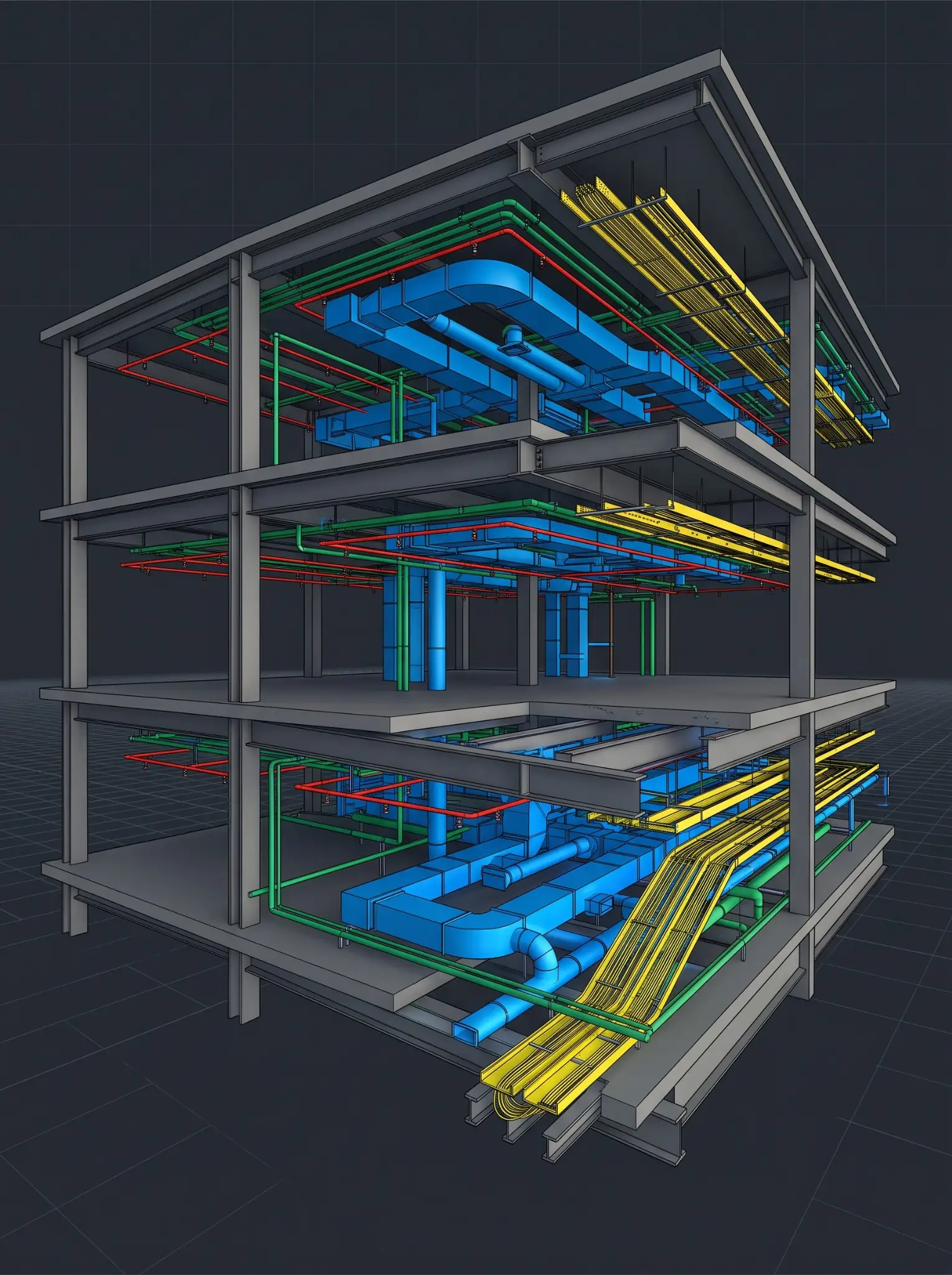
MEPF and Process Coordination

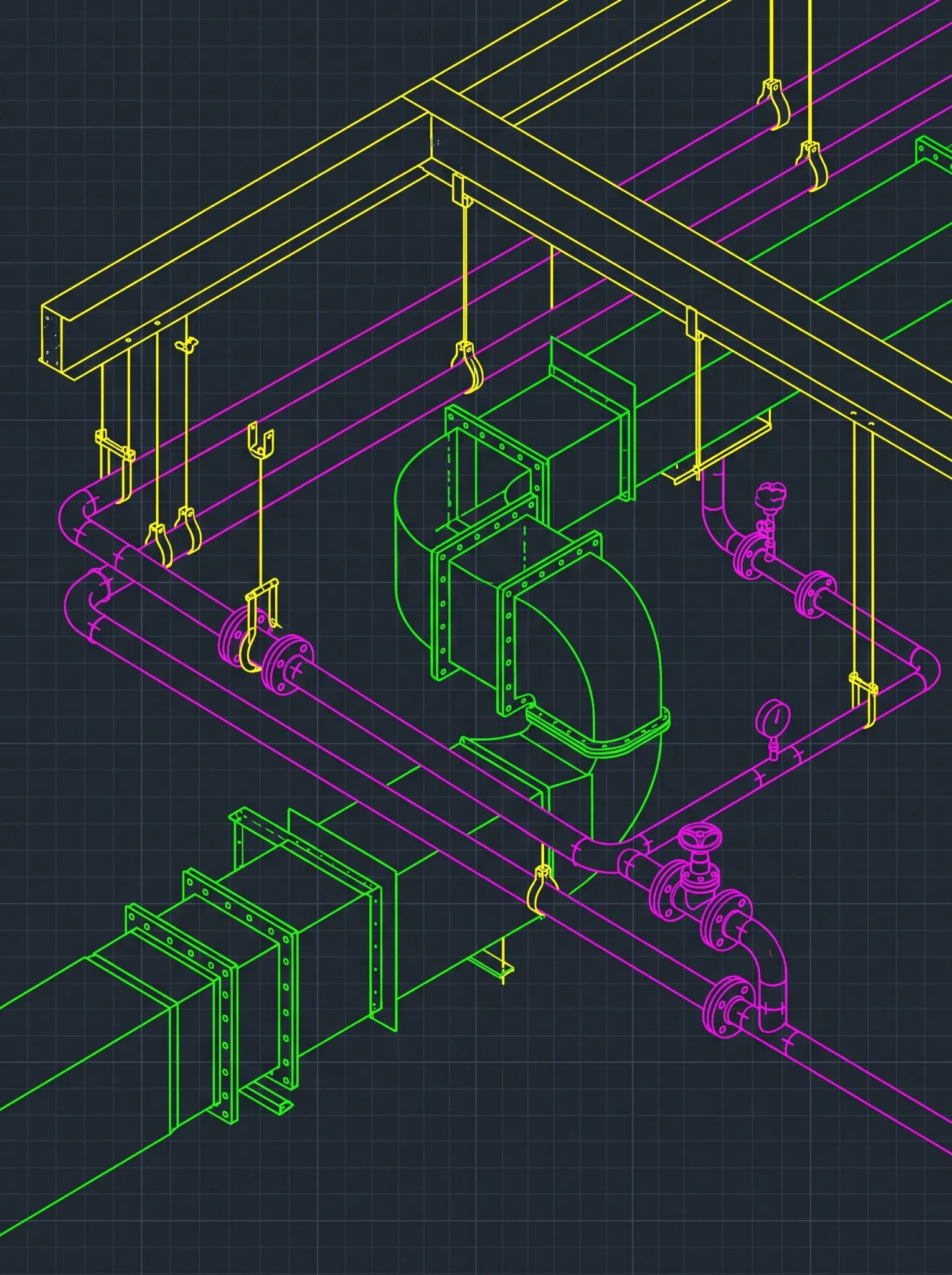
For treatment, pumping, and utility facility buildings, confirming piping, electrical, and mechanical systems clear structure at LOD 300.

Live Utility Tie-In Coordination

Sequencing new connections against existing, active utility infrastructure to confirm no service interruption during construction.

LOD 300 to LOD 350 Progression

LOD 300 through Design Development, extracted to LOD 350 for construction documentation supporting multi-agency permitting.

How Excelize coordinates around live utility and transit operations

01

Multi-agency documentation extraction checkpoint

Confirms the Scan to BIM capture matches field conditions before any new design coordination is layered on top of it.

02

Utility tie-in checkpoint

Validates every new connection against the active system it's tying into, run jointly with the facility owner's operations team where a live system is involved.

03

Multi-agency documentation extraction

Generating the specific submittal sets required by the reviewing authorities, water authority, transit agency, public works, directly from the coordinated model.

A tie-in coordinated against inaccurate existing conditions doesn't fail quietly, so verified conditions come before any new design coordination is layered on top.

What a late-caught infrastructure coordination error actually costs

A tie-in or clash caught in the federated model at Design Development is a coordination adjustment. The same conflict, discovered after a live utility connection is already cut, is a service interruption, not a change order, on a facility a community, a hospital, or a transit line may depend on continuously.

What infrastructure and utility owners check before shortlisting Excelize

01

Methodology

BIM and coordination workflows aligned with ISO 19650 information management principles, a working methodology, not a certification.

02

Infrastructure coordination experience

Existing-conditions verification for utility, treatment, and transit facility retrofits; live utility tie-in sequencing; multi-agency documentation support.

03

Track record

2,500+ BIM projects delivered since 2004.

U.S. presence: offices in New Jersey and California, project experience concentrated in TX, FL, NY, NJ, CA, PA. Documentation: insurance certificates, MSA terms, and process references available as part of your qualification process.

Related Resources

FAQs

Infrastructure BIM: frequently asked questions

Still have questions? Talk to a BIM Lead
No. Excelize coordinates infrastructure-related facility structures, treatment plants, pump stations, substations, transit buildings, within a federated BIM model, working from the civil and process engineer of record's design intent. Civil design and engineering sign-off remain with the licensed engineer of record.
Scan to BIM captures accurate existing conditions before any new coordination is layered onto the model, standard practice for infrastructure facilities modified for decades without full documentation.
Yes. Utility tie-in coordination is checked jointly with the facility’s operations team, so new connections are sequenced against what’s actively running, not just what’s on the drawings.
Yes. Submittal documentation for the specific reviewing authorities involved, utility, transit, or public works, is extracted directly from the coordinated model.

Get BIM coordination built for infrastructure that can’t go down

A tie-in error found after the connection is live isn’t a coordination fix. It’s a service interruption. Verify existing conditions before the design starts.

  • No contract
  • No obligation
  • Your models and your IP stay yours